What should the first enquiry explain?
A useful solar cleaning enquiry starts with your reason for contacting someone, what you already know about the installation, and who can arrange access. You do not need to inspect the roof to supply those details. A short, accurate account is more useful than a confident guess about panel condition or system size.
Describe the result you are seeking in ordinary language. Perhaps you want to ask whether cleaning is appropriate, understand what an appointment would include, or organise a visit while somebody is at the property. Keep a concern about electricity production separate from a request about cleaning. The recipient can then clarify whether your enquiry needs another professional involved, rather than treating every issue as a dirty panel problem.
Give the suburb and property type when establishing whether a provider can consider the job. Share the full address through the agreed private contact channel when it is needed for a quote or appointment. Avoid posting an address together with gate arrangements in public comments. If you are contacting several providers, keep a copy of the same initial description so their questions and assumptions can be compared later.
Do not fill gaps with numbers borrowed from a neighbour's installation. A panel count, roof description or installation date can be marked unknown. That tells the provider what still requires confirmation. It also prevents an approximate description becoming an apparently agreed fact when a message is forwarded between the owner, an agent and a contractor.
Which existing documents are useful?
Look through documents already in your possession before trying to gather new information. An installation invoice may identify a retailer and equipment model. A handover pack may contain a system diagram or panel schedule. A previous service report may describe the arrangement at that time. Send the relevant pages rather than an entire household archive containing unrelated financial or identity information.
Explain what each document represents. An original quotation records proposed equipment; it does not always establish what was installed. An invoice may describe a purchase without showing subsequent replacements. If two documents disagree, attach both with a sentence explaining the difference. Ask the provider which version they need instead of silently choosing the larger system or the newer looking document.
A missing handover pack is an information gap, not a reason to go searching around electrical equipment. You can ask the original installer or the person who manages the property whether they hold a copy. Tell the cleaning provider that the request is underway. They may be able to begin discussing scope while deciding how the missing details should be established.
Use equipment details only when their source is clear. For example, write that a panel model comes from the installation invoice, rather than implying that you have read every panel label. Keep passwords, monitoring login codes and account recovery details out of the enquiry. If access to monitoring later becomes relevant, ask the qualified assessor about an appropriate sharing arrangement instead of sending credentials.
Describe the property from normal ground level
Describe the building as you encounter it in daily life. Useful details can include whether the property is a detached house or part of a complex, whether there is a locked entrance, and whether the roof area faces a courtyard or driveway. These observations help organise an assessment. They do not establish a safe work method or prove that a particular access arrangement will be suitable.
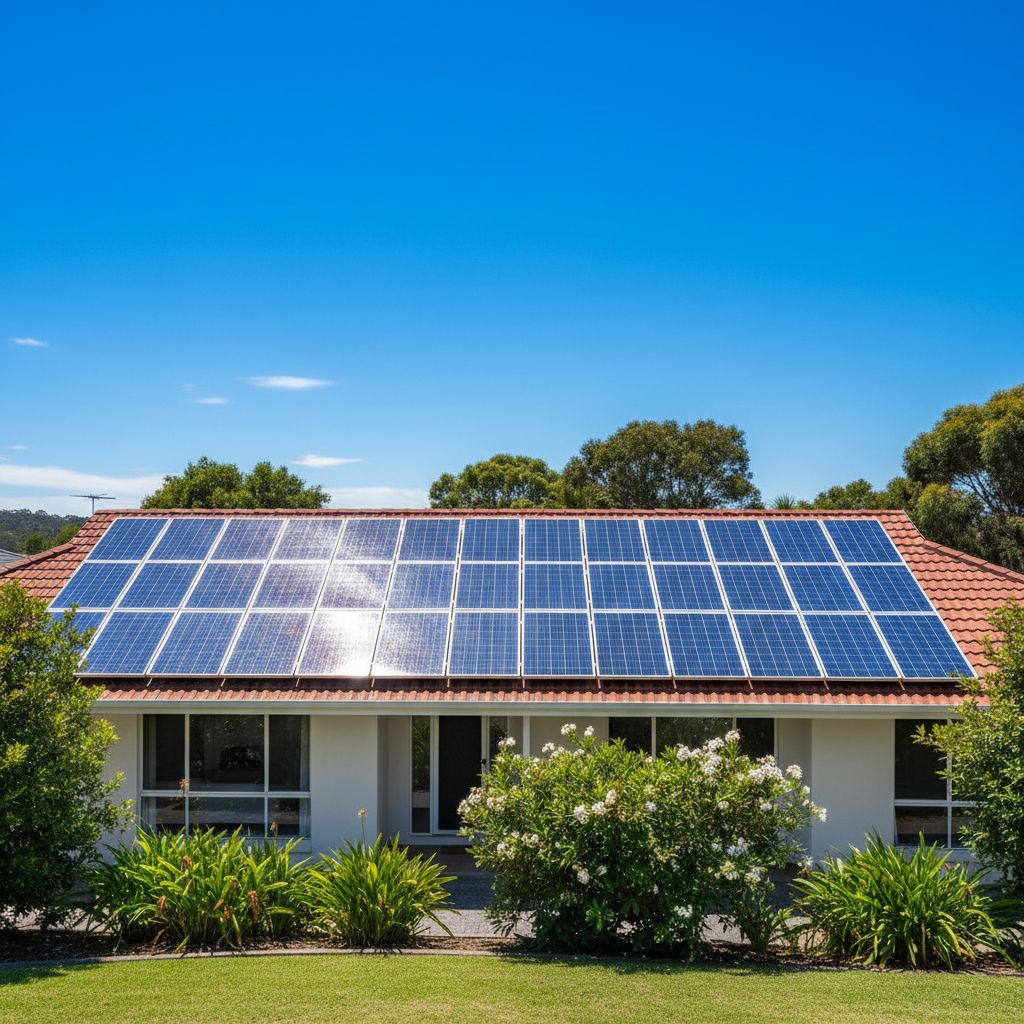
Use cautious descriptions for anything you cannot see clearly. Write that panels appear to be on more than one roof face, or that only the front portion is visible. Do not turn an incomplete view into an exact panel count. A provider can ask for documents, existing photographs or a professional site assessment when the arrangement affects the proposed work.
Photographs you already have may help explain the property. If you choose to take a new photograph, remain in an ordinary safe ground-level position with permission to be there. An unobstructed photograph is optional. Do not climb, use ladders, lean over balconies, enter a roof space or approach damaged equipment to satisfy a request for a better image.
The Queensland household solar guidance directs household visual observations to ground level. The practical boundary for this enquiry is narrower still: record only what is already safely apparent, and leave close inspection to an appropriate professional. An unclear photograph can still explain why an assessment is needed; it should never become a reason to take a risk.
Ground-level enquiry planner
Choose your records, visibility and coordination details to prepare the first message.
This enquiry helper stores nothing. Copy the displayed brief before closing the page.Separate logistics from the contractor's assessment
Tell the provider about everyday access arrangements that could affect an appointment. A locked gate, shared driveway, school pickup commitment or dog that needs to remain inside can matter to the timing of a visit. Describe the constraint and who can coordinate it. Avoid promising that a driveway, courtyard or neighbouring property can be used before the person controlling that area has agreed.
Explain whether another person will be present. If an agent arranges the booking but a tenant receives the visitor, identify who handles scheduling and who can approve changes. Ask which contact the provider will use if arrival arrangements change. A clear contact chain avoids the occupant being asked to make a spending decision they were never authorised to make.
Do not offer a ladder, roof anchor, shutdown procedure or electrical access as part of your preparation. WorkSafe Queensland identifies substantial risks around roof and ceiling-space work. The contractor must decide how to assess and carry out their own work. Your role in the enquiry is to communicate known property constraints without designing the job.
Ask what, if anything, the household needs to do after the appointment has been confirmed. A request to manage pets or arrange gate access is different from a request to operate equipment. If instructions would involve electrical components or approaching a suspected problem, stop the preparation and obtain clarification from an appropriately qualified professional. An appointment brief is not an operating manual.
Make the cleaning question specific
A precise enquiry explains the question you want answered rather than presuming the answer. You might ask whether the provider can assess the suitability of cleaning, what records would inform the quote, or whether an unknown panel arrangement requires a site visit. This helps distinguish an initial conversation from approval to proceed. It also leaves room for a professional to advise that cleaning should not be the first step.
Mention any existing written advice that affects the request. If an electrician has recommended further assessment, include the relevant wording and date. Do not replace it with your interpretation that the system is fine or merely dirty. Similarly, if a previous cleaner could not complete a visit, describe the reason recorded on their report rather than speculating about their equipment or competence.
The Electrical Safety Office's solar guidance distinguishes cleaning from electrical work and addresses damage before cleaning. If you already know of damage or have a concern about electrical safety, tell the provider without investigating it yourself. Keep away from affected equipment and seek appropriate professional advice. A cleaning booking cannot establish that an installation is safe.
Avoid asking for a guaranteed production improvement as the measure of a successful enquiry. The provider needs to define what service is actually being offered and how completion will be recorded. Whether a system has an output problem is a separate assessment question. Keeping those questions distinct makes the response easier to understand and reduces the chance of an unsupported promise entering the quote.
Turn photographs and notes into one brief
Put your information into a message that another person can understand without a long telephone explanation. Start with the purpose, then add the property type, the source of any equipment details, what remains unknown, and the person who can arrange access. Keep attachments named by subject and date. This structure helps a provider respond to the actual gaps rather than asking you to repeat the whole story.
A useful example would say that you are seeking a cleaning enquiry for a Townsville house, that an installation invoice is available, and that part of the roof cannot be seen from ground level. It would explain whether you can coordinate an appointment yourself. It would not claim a panel condition, suitable access method or electrical status that you have not had professionally established.
Label old photographs with their approximate date when known. A photograph from a property sale may explain the building layout while showing an installation that has since changed. If you have no date, say so. Keep the original image and avoid filters that alter its appearance. You can provide a separate marked copy to identify the general area being discussed.
Review the brief for unnecessary personal information before sharing it. A provider normally needs relevant job details, not a copy of every page of your electricity account or an image of household identification. Redact unrelated account information from copies while retaining the originals in your own records. Ask which specific document is needed if a request seems broader than the cleaning enquiry.
Understand the reply before arranging a visit
Read the response for the next action, who owns it, and whether any part remains conditional. A provider might need an equipment document, an access contact or a professional assessment before confirming scope. Record that request in the same brief. Sending a photograph does not mean the provider has accepted the job, and receiving an indicative response does not mean an appointment has been made.
Ask whether the proposed price and scope depend on facts that are still unknown. If a panel count has not been confirmed, find out how that affects the next step. If assessment is separate from cleaning, ask how each stage is authorised. This is a question about the proposed arrangement, not an assumption that every provider follows the same quoting process.
Manufacturer information belongs in the discussion when it applies to the installed equipment. The REC cleaning reference illustrates why model-specific maintenance information matters. It should not be applied as a universal specification for another brand. Ask the provider how they will identify the relevant instructions; you do not need to translate them into a washing procedure.
Finish the enquiry by repeating the agreed next step in plain language. For example, you may be sending the installation invoice before any appointment is offered. Save the response with your original brief. This leaves an understandable record for somebody else in the household and gives you a clear place to continue if the conversation pauses before the booking is settled.
Keep the brief current without starting again
If circumstances change, update only the affected information and identify the change. An owner may find a handover pack, a building manager may advise that a gate is unavailable, or the preferred appointment day may no longer suit. A short dated correction is easier to follow than a replacement message that silently changes several details.
Keep unanswered questions visible until someone responds to them. An enquiry can be ready to send even when some information is unknown. What matters is that uncertainty remains obvious and that nobody mistakes preparation for approval. Once the next action is agreed, retain the brief as the starting record for the appointment, with any later technical findings kept in the professional's own report.
If you receive a request for a detail you cannot safely supply, reply with the limitation and ask for an alternative. For example, an equipment label may be absent from your paperwork and inaccessible from normal ground level. The appropriate response is to explain that identification needs professional help. It is not necessary to apologise, guess a model or find a way onto the roof. That exchange becomes part of the brief and helps the provider plan their next question.
Primary guidance
Checked 23 September 2026. Use these references when asking about ground-level observations and applicable manufacturer information.